When in charge of all world news at a daily newspaper, it occurred to me (eventually…and not all at once either) that the existing coverage relied on a preponderance of syndicated photos (to which our competitors also have access) and too little on creativity. The end result was that I took on the task of creating special news graphics whenever time permits. Below follow select efforts.
This post includes some earlier art for the magazine format, including one about UN peacekeeping operations in Africa in 2010. I have also included a guide map of the game world in FarCry 2, as I am big aficionado of the game, even though it is now dated. So scroll through and take a look.
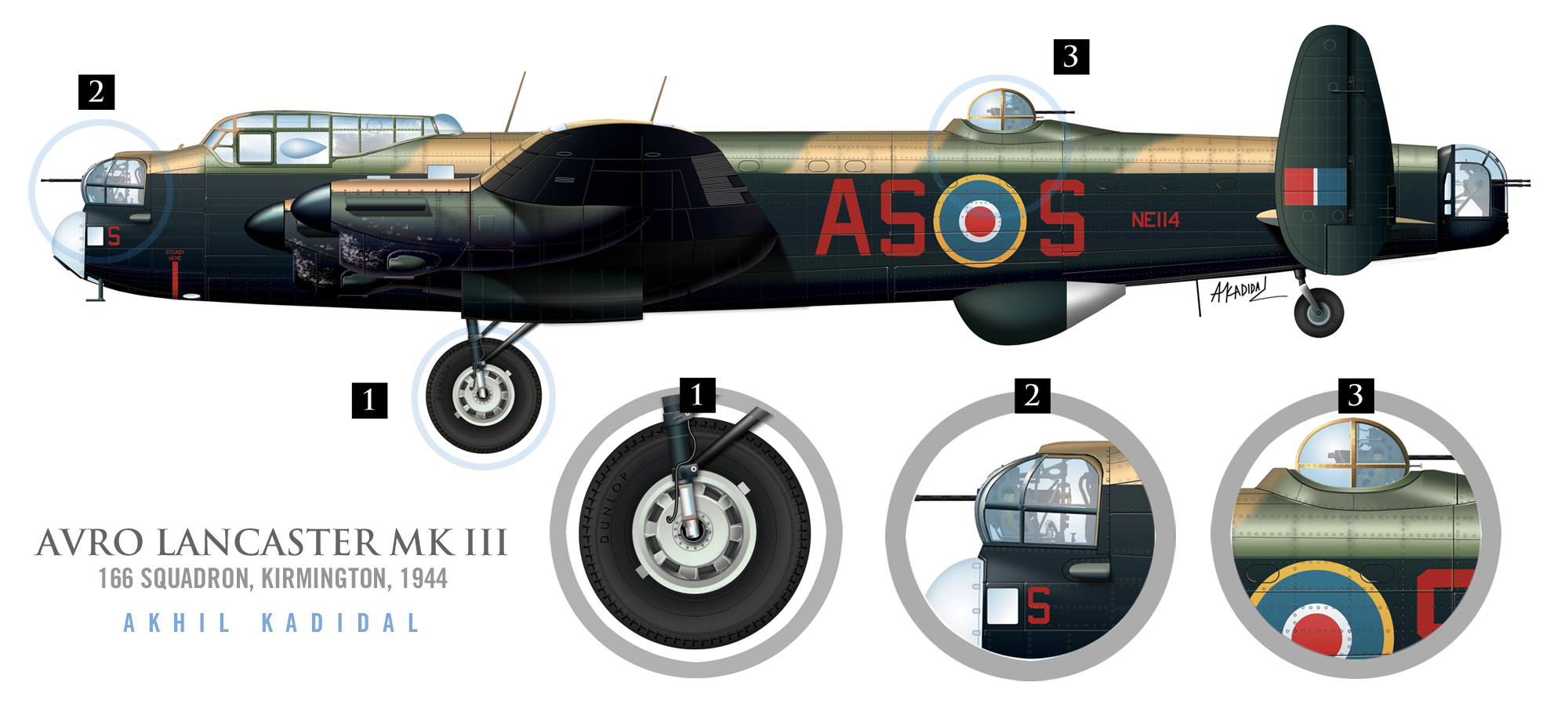
Avro Lancaster NE114, 166 Squadron | Published in April 2016
Although I had created dozens of similarly colored Lancasters over a decade ago – and proudly of having done so at the time – my perception towards that type of aircraft known as the bomber has changed. When I was a boy, my grandfather held a shotgun up and said, “this is an instrument for the taking of life.” It was a statement that failed to resonate against the smug exterior of youth. But the message eventually sunk in, years later. And so, if the gun is the instrument of a living being’s death, the bomber is an instrument of wholesale destruction.
Latest developments, Paris Attacks | November 19, 2015
The Paris attacks | Published November 14, 2015
Hollywood on rails — The Arras train incident | Published August 23, 2015
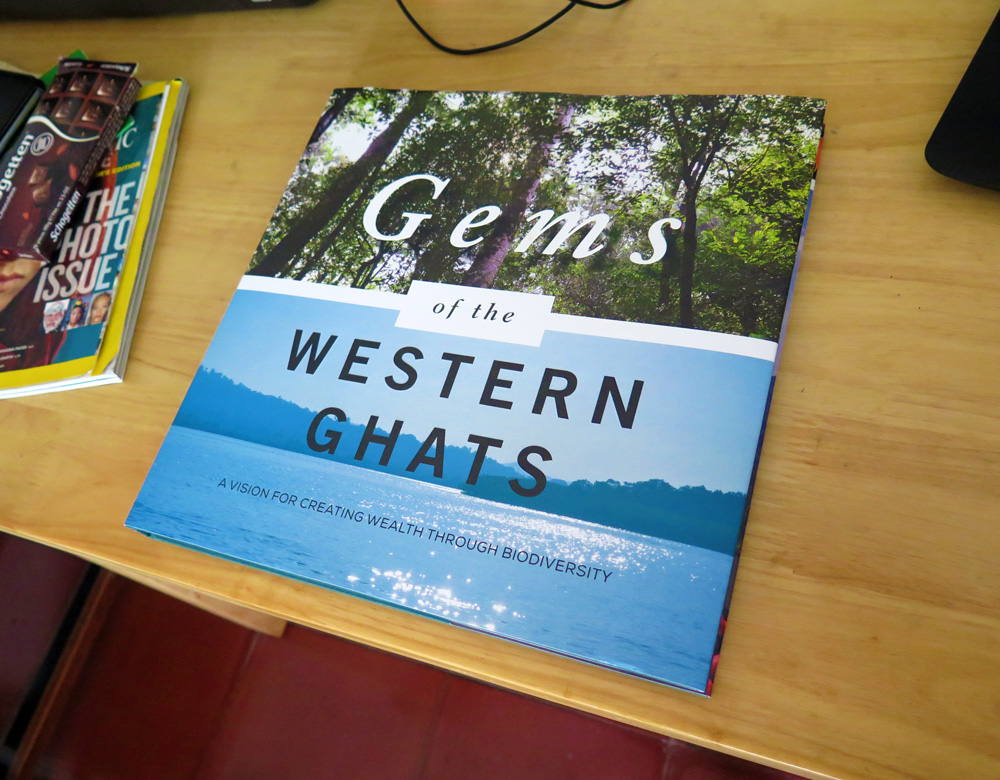
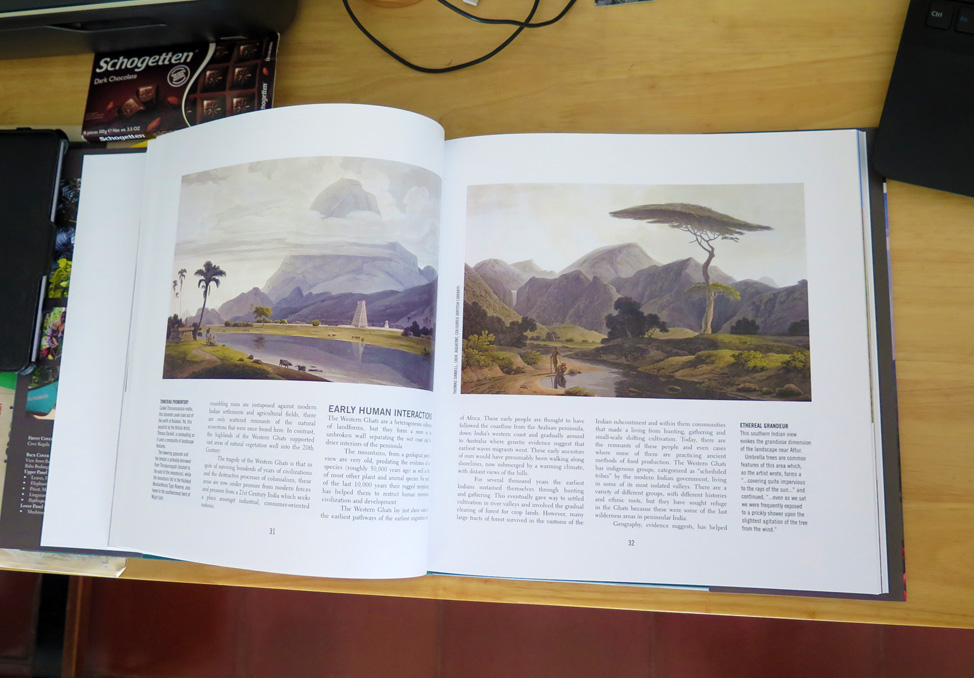
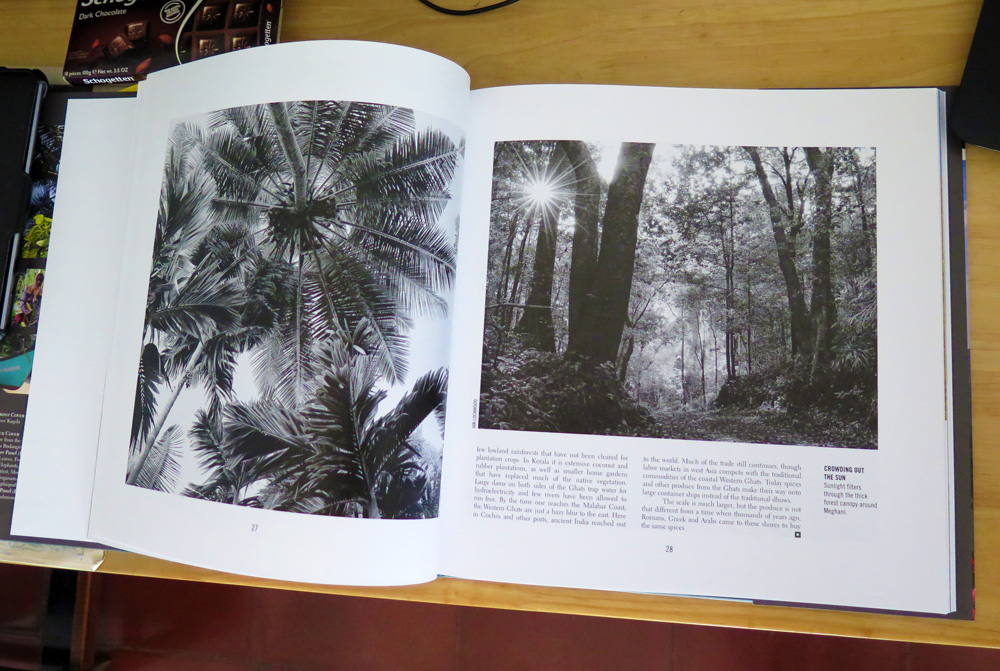
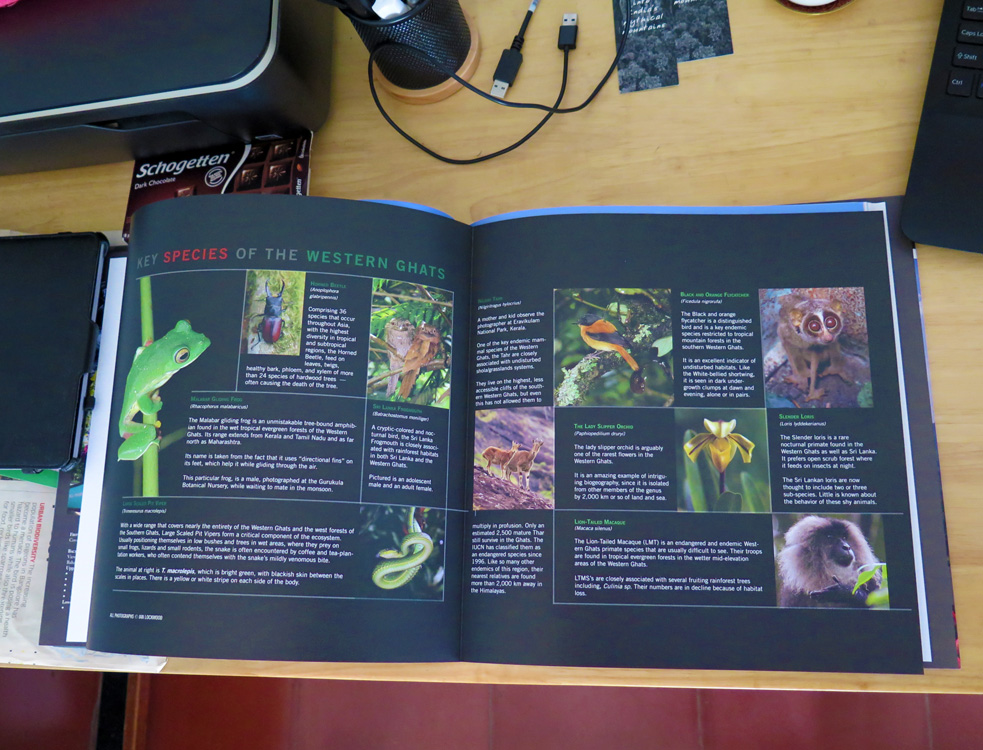
Sidetracked from my other projects by a commission to illustrate, design and edit a book on nature in India for an NGO, I spent a significant amount of time learning about issues that I normally wouldn’t have paid much attention to. The book, a 12″ x 12″ hardcover, coffee-table book, was finally completed in August 2014 and has had a limited print run.
This was an interesting project, primarily because it made me aware of the precarious situation of wilderness in India – a nation bursting at the seams with people. For anyone who thinks conservation is unimportant, I recommend a trip to the sub-continent. Certainly, I would be the last person to espouse a Malthusian philosophy, but the idea that an overabundance of people leads to moral haziness, social inequality, diminished value for human life, myriad societal problems such as rampant sexual abuse (and intriguingly, heightened value for family), can be witnessed first-hand in India – and other densely populated parts of Asia. But these observations are beyond the scope of this post.
Nevertheless, such a visit can leave one with an heightened appreciation for conservation and ecology. Was it Walt Whitman or Henry David Thoreau who wrote that people need to be “surrounded by green?” Absolutely right.
Many thanks to my co-editor Ian Lockwood for being such a splendid and affable person to collaborate with, and for his magic behind the lens.
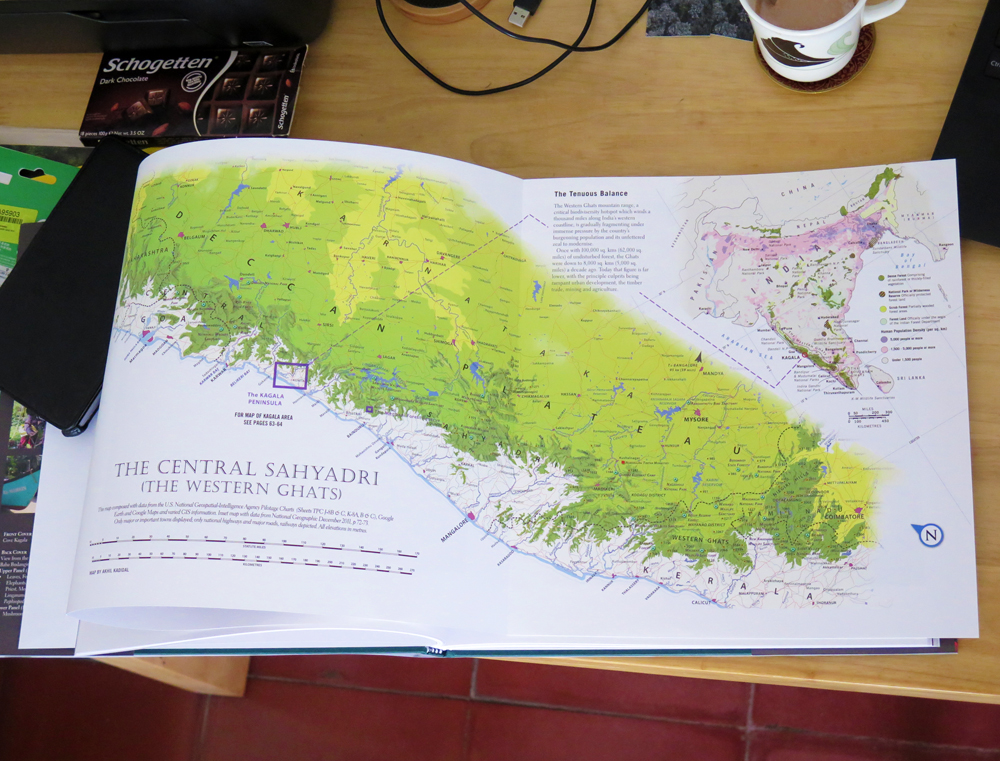
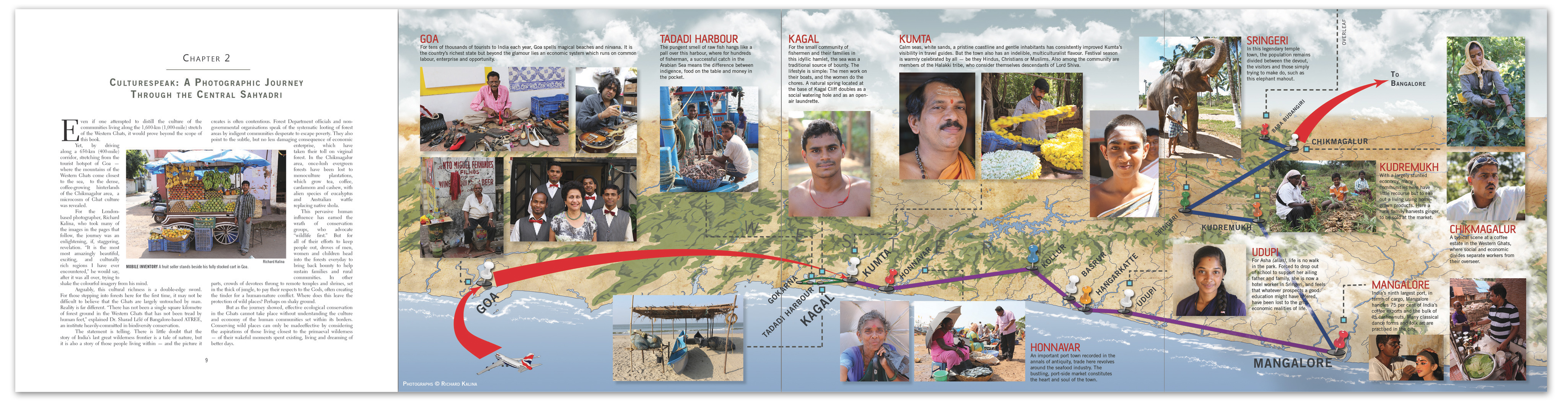
Below appears an important component of the book. This core map took a significant chunk of my time — about 120 hours of work, and used a combination of information from National Geographic, Google Earth and ultra-detailed US National Geospatial-Intelligence Agency maps for reference. It covers the central area of the Western Ghats, the 1,000-mile strip of rain-forested mountains which wind down India’s western coast — a biodiversity hotspot (with species found nowhere else on Earth), under siege from a unrestrained, growing population in need of increased living space and raw materials.
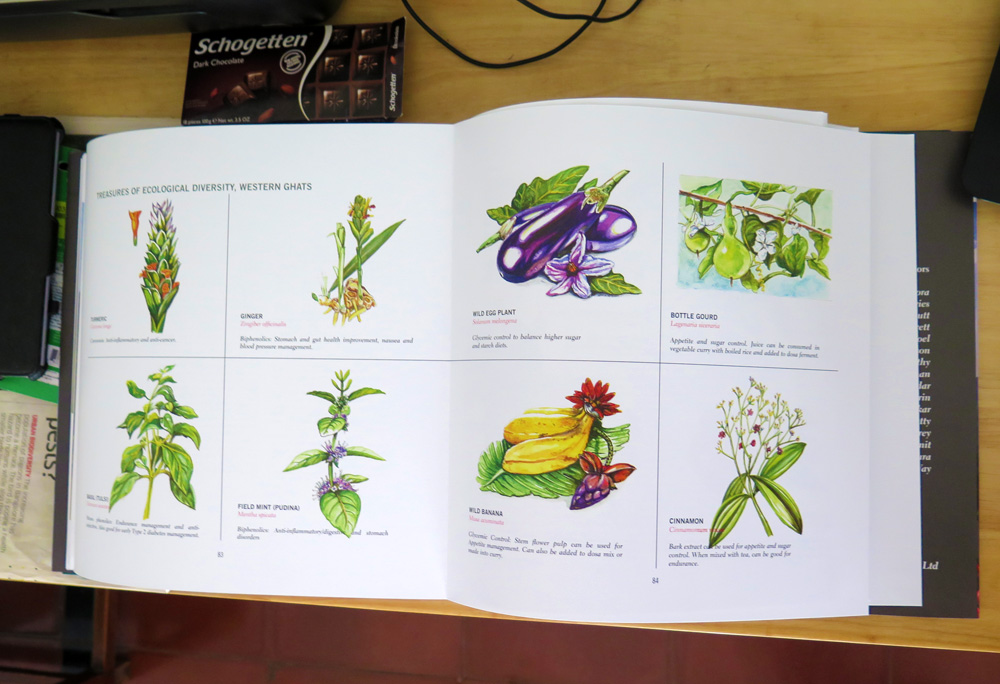
This watercolor of a cluster of Java apples (for the book) took about two hours of work, and was much a learning experience as anything else, considering that I hadn’t worked in the medium since I was eight. This was my second watercolor image for the book. The first image — of a ginger plant, is well, too embarrassing to post online.
A note on the process — The upper graphic took about 10 hours of work. The ribbons and area contours were done using Adobe Illustrator. But the rest of the image was completed using Photoshop. All photos and text were laid out in the Indesign document.
Okay, everyone has been following this bit of recent news, but facts and logic seem small in comparison to sensationalist hyperbole. Australia’s Herald Sun carries an action movie-style graphic here showing Bin Laden on the roof of his house, defiantly blasting incoming U.S. helicopters with automatic fire. The Daily Express‘ headlines included the now-discounted sub-head of Bin Laden “used wife as human shield,” mimicking disclosures by news-ravenous networks in America. The following is what is actually known:
————————————————————————
The helicopters and Navy seals did not take off from an airfield in Pakistan with the blessings of the Pakistani government. They instead departed in secrecy, from Bagram Air Force base in Afghanistan some 158 miles from Abbottabad in the dead of night, and flying low under the radar, reached their objective a little before 1 a.m. on the night of May 1. Because the standard MH-60 Black Hawk has a range of 373 miles on internal tanks we have to assume that this figure is the benchmark for all derivatives – at least in theory – and which would allow the aircraft the cover the distance without refueler support.
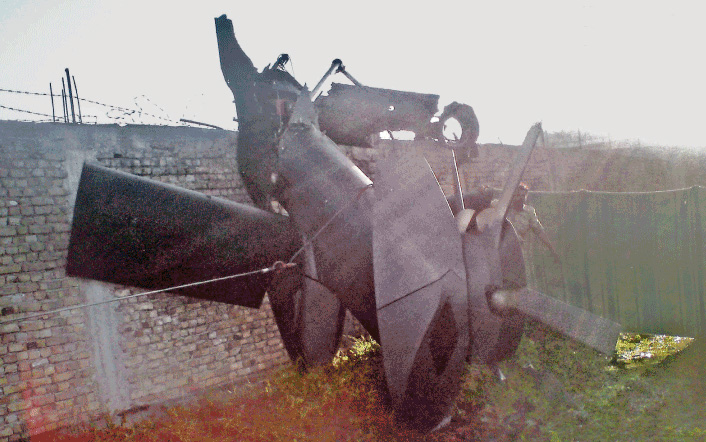
At least two of the helicopters were stealth-modified Black Hawks, carrying 12 Navy Seals each. The Army Times contains a convincing narrative of the new helicopter here. With its extra stealth equipment and heavy payload (12 fully-armed troops instead of the standard 11), it is possible that one of the helicopters crashed in part because it was so overloaded.
After the Seals landed, the opening of hostilities was marked by the destruction of the compound wall with explosives. Alarmed, Bin Laden’s courier, the same man who had unknowingly betrayed the location of the stronghold, now appeared from the door of the guesthouse and fired a weapon. He was instantly gunned down. He is possibly the only hostile combatant within the compound who actually managed to open fire on the Seals (a total of 19 people were present in the compound that night, 14 of which were women and children). Bin Laden was seen to look out of a window before ducking back in. The Seals found him in a room on the top floor, unarmed, but within reach of arms. In this era of state-sanctioned executions, nothing can be written off as a moment of callousness in the heat of combat. One sources states that Bin Laden was executed when on his knees; others say that he was shot as he faced the Seals. The photographic evidence which would complete the journalistic picture is still lacking – except for the Italians apparently, who have a photo and a copy of photoshop. (See end of post)
One person was apparently taken into custody after the raid, reported as one of Bin Laden’s sons. For this to be done, and to exfiltrate themselves, the Seals had to call in one of the backup (non-stealth, but infrared suppressor-equipped) Chinooks. Where had this machine been? Loitering nearby?
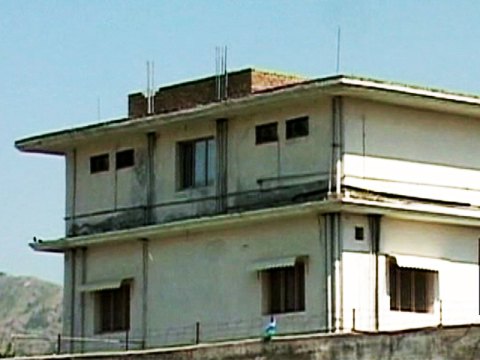
Bin Laden’s compound was at the center of the army town of Abbottabad. News outlets, parroting other news outlets have stated that the entire property is worth at least a million dollars – reinforcing the legend of a terrorist leader living “high on the hog.” In reality, the Associated Press valued the price of the land at $48,000 when it was purchased in 2005 on Al-Qaida’s behalf. Actual construction of the house and accompanying structures would not have been significantly higher – considering cheap third world labor that every outsourced victim and ex-employee should be familiar with. For instance, study picture below for examples of shoddy brickwork and architecture. Does this really look like a million dollar home?
Source: CBS News Website
Finally, considering Bin Laden’s presence in this active army town, how could his complicity with the Pakistan military possible be disavowed? The falsehoods came easily and apparently without any forethought. Bin Laden’s house is about 2,500 feet (0.47 miles) from the Army College, Pakistan’s equivalent of West Point. This is easily verifiable through Google maps. The Pakistanis instead claim that the distance is 2.4 miles. On 5 May 2011, the Pakistanis stated that Bin Laden was “strapped for cash in his final days.” How could they know this without knowing something of the man’s business?
And so the story goes on. In the meantime, keep watching the news stands for more scathingly brilliant, completely factual journalism such as the examples below…
UPDATE: The MH-60K Stealth Black Hawk, 11 May 2011
The aircraft’s new tail and other enhancements are a result of mission-specific stealth kits adapted by the 160th Special Operations Aviation Regiment (SOAR). According to a classified source, the Black Hawk’s “tail and rotor are the most radar-sensitive areas of the helicopter and the sharply-edged shroud” revealed in photographs (see below) actually helps improve flight performance while reducing the aircraft’s radar signature.
Also, the kit used on the Black Hawks for the Bin laden raid involved “a new stealth-aiding windscreen, the removal of the large refueling probe that extends out from the front of machine,” and possibly the addition of retractable landing gear. The kit is an add-on treatment and not representative of a new stealth Black Hawk built from the ground up. No helicopter can use stealth with an absolute degree of success. The spinning rotors produce enough radar signature to give the game away – presumably why the raiding helicopters stayed low under the Pakistan air defense net to mitigate the limitations of their kit.
(Sources for this brief: Flight International 10-16 May 2011; Doug Richardson, Stealth Warplanes, London: Salamander, 2001.)





 NEW ZEALAND



















 Achilles the Heel


