
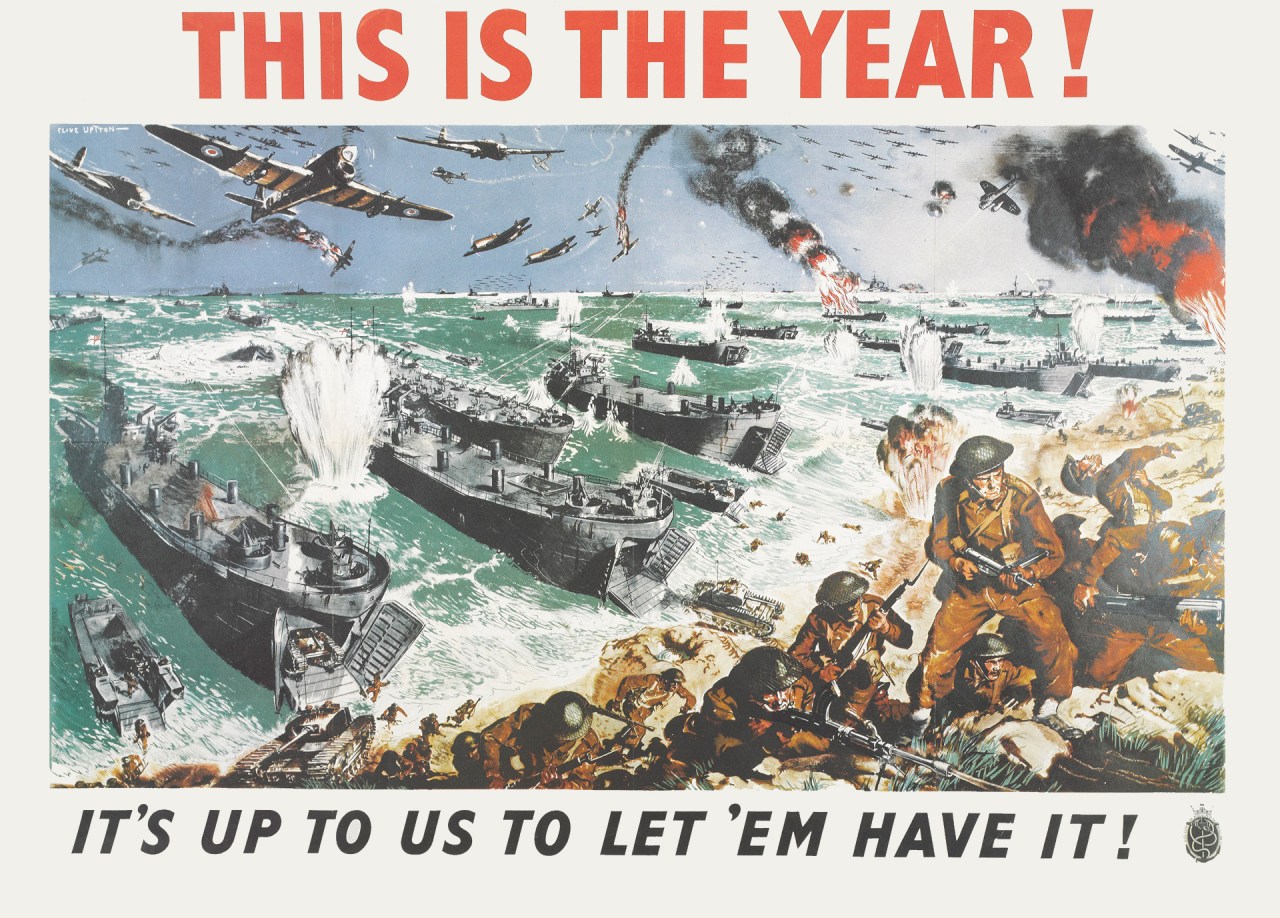
The Second Front
By
Akhil Kadidal
Swirling clouds of yellow Norman dust appeared on the roads as a squadron of British Hawker Typhoon fighter aircraft thundered low past the coastline, towards a flat river valley. Ahead, on the horizon was the French city of Caen where William the Conqueror had launched his victorious conquest of England over 875 years ago. The city smoked on the far horizon, ruined after a deluge of bombs earlier that day, 6 June 1944. A Typhoon pilot saw German vehicles on a sprawl of verdant landscape ahead of the shattered city.
Like an angered swarm, the British fighters peeled off formation and dove on the Germans. Rockets slung under the wings of the Typhoons, gleamed. German Flak guns opened up. White streaks of tracers blazed past. Undeterred, the Typhoons closed the distance to attack range. Soon, the first Allied rockets were zooming towards the hapless Germans.
On the receiving end was a Colonel of the SS, Kurt “Panzer” Meyer, 33 years old and commander of the 25th SS Panzer Grenadier Regiment. Meyer, like many German soldiers, was already in a state of angst. Since dawn, the German radio and communications network was packed with news about Allied military landings along the Normandy coast.
None among the Germans knew with any certainty what was going on. There had been scattered reports of firefights with paratroopers the night before when the engine noises of hundreds of unknown aircraft had punctuated the darkness. With daylight came reports of thousands of Allied ships gathering in the early dawn gloom in the Bay of the Seine. Then the Allied bombers and fighters appeared gnat-like and ferocious. Bombs and cannon shells pockmarked what appeared to be the entirety of northern France.
The Germans did not know that the capital of Normandy, Caen, was the primary objective of Allied forces streaming off the beachhead. Some senior commanders even believed that the invasion was a feint. Only the Allies knew with certainty and with a sense of retrospection that the landings were the culmination of two years of stuttering and pioneering amphibious operations in Europe and the Mediterranean. The Allies had refined their naval landings into an art, turning cold tactics and procedures into a orchestral undertaking where land, sea and air forces operated as one.
But where two years of combined operations had taught the Allies how to set up a beachhead, what happened inland was the great gamble. The Allied generals believed that if they pushed enough men ashore, with enough armor that the day — and Normandy — could be won.
By late afternoon, British combat units appeared to moving towards Caen. At 4 pm, senior German commanders detached Meyer’s mechanized command from the rest of the elite 12th SS “Hitlerjugend” (Hitler Youth) Panzer Division and sent them racing towards Caen to reinforce a defensive line being hastily built there. The Typhoons struck en-route.
Rockets and 20mm cannon-fire ripped into the Meyer’s troops, shredding infantry to pieces and penetrating the metal skins of the light vehicles. Caught in a narrow sunken road surrounded by bocage, evasion was impossible.
A young grenadier lay on the road, blood jetting from his veins.
“Murder! Murder!” cried an old French woman who came running towards Meyer.
The panzergrenadier died in Meyer’s arms. A Schwimmwagen nearby, packed with ammunition, exploded, blocking the road. Plumes of smoke and fire shot up into the sky. The SS gathered their wounded, pushed the rubble aside and moved on. To stop was to invite death.
By now, Caen was a heap of rubble. By dusk, Meyer would be writing that the city was a sea of flames.
The Germans recognized that the Allies had committed an egregious error in bombing the city. German units moved quickly to fortify the wreckage of the urban sprawl where bombed-out streets could hinder the progress of Allied tanks and infantry. Other German forces moved to occupy the fields, the hedgerows, and the picturesque Norman country towns and villages as night began to fall on the first day of the invasion.
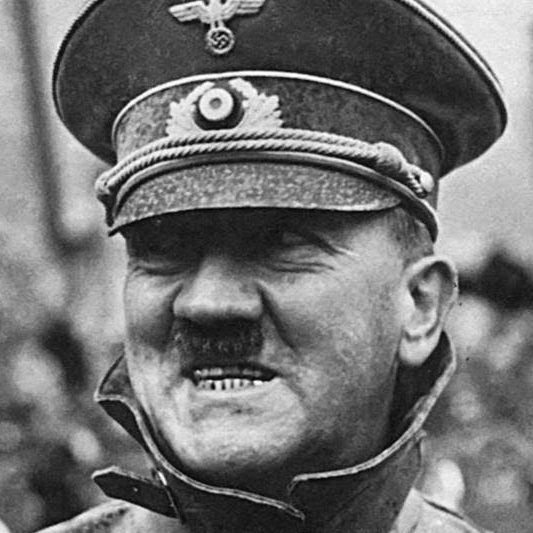
The German dictator, Adolf Hitler, was strangely euphoric when told about the landings. “The news couldn’t be better. As long as they were in Britain, we couldn’t get at them. Now we have them where we can destroy them,” he said, and began issuing orders to mobilize his army for battle. A ferocious contest was in the making.
The Allies had arrived in Normandy, but there would no easy victory here. Only something wrapped up in bloodshed, sacrifice and the stuff of mythology.
Contents
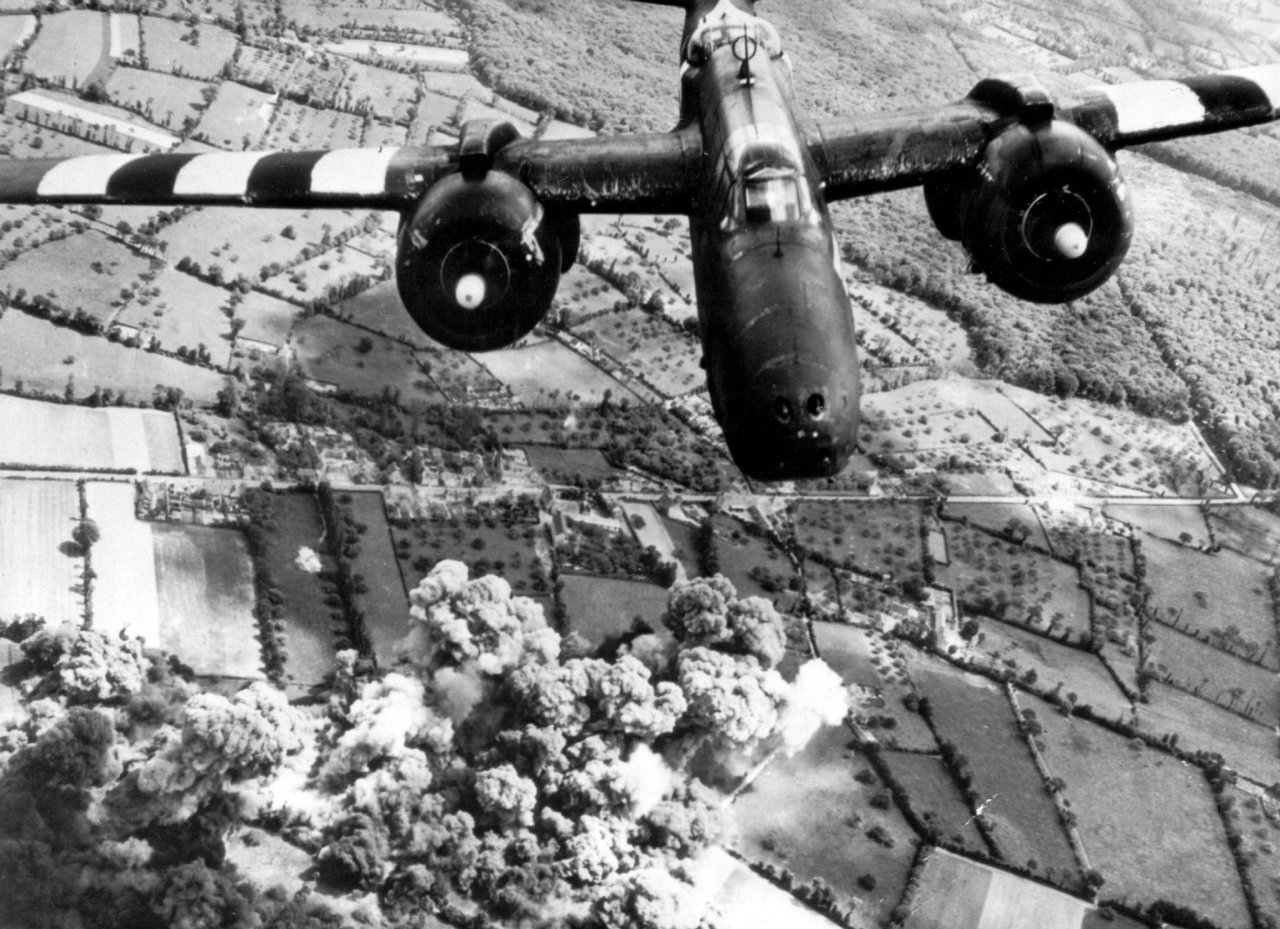
The Buildup
In the months before D-Day, the Allies had been fighting a brutal war of attrition with the Germans for supremacy of the skies over Europe. By D-Day, the Germans had been all but driven from the skies, but the battles still raged on – mainly between the air chiefs and the army about how best air power should be used.
1. Prelude to Battle
2. Decision to Go
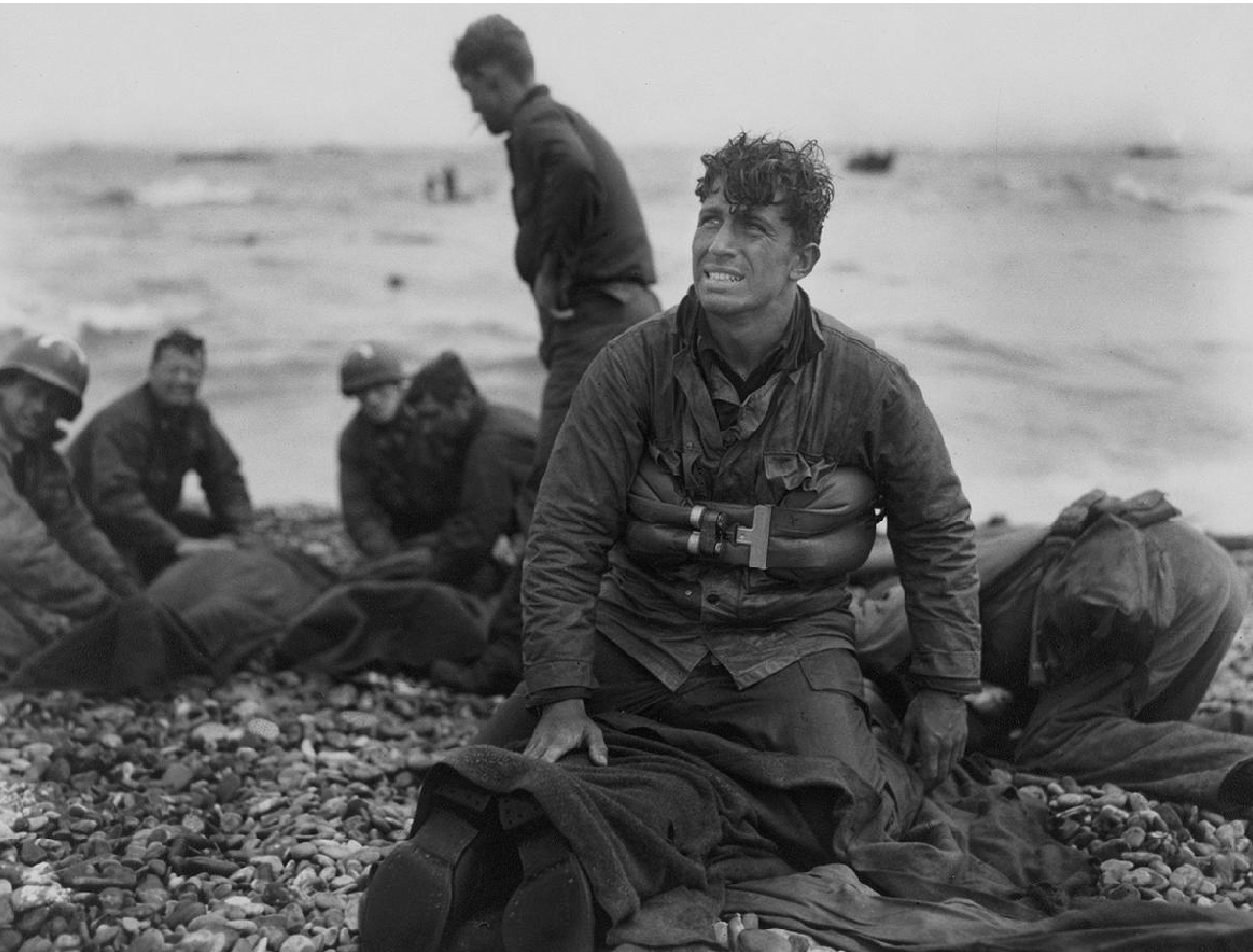
A Day at the Beach
A decision by a handful of men set into motion one of the greatest military campaigns of human history. The objective was to return the Allies once again onto the soil of France.
3. Chaos Reigns
4. Omaha, Utah and the Point
5. Sword
6. Juno
7. Gold
8. Holding On
9. Panzers Strike
Older material
These sections include some of my initial examination of the Normandy campaign (from 2017-2019)
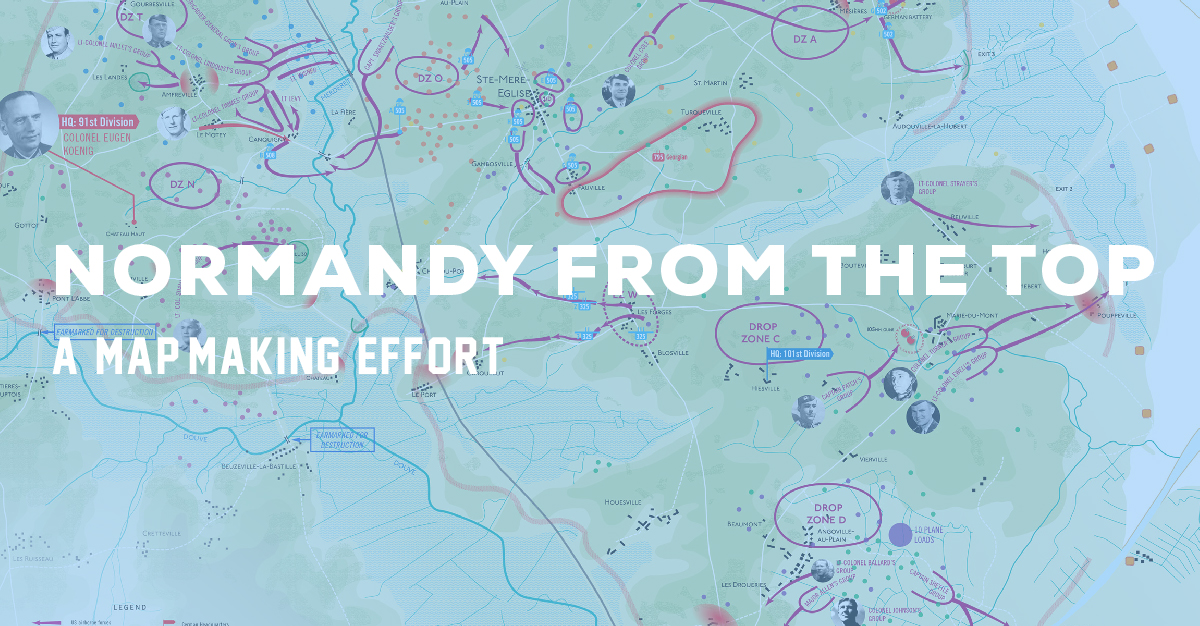
Mapping Normandy: A Brief History of the Campaign
Using maps to explore D-Day and the inland battle of Normandy.
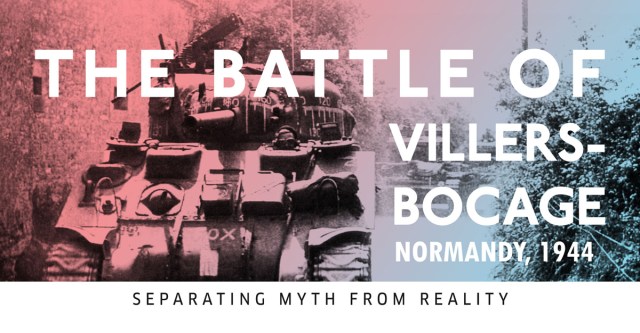
The Battle of Villers-Bocage
As the battle lines congealed, the British Army conducted a bold pincer strike to break out of Normandy. In their way was a village called Villers-Bocage and a formidable Tiger tank.

 Achilles the Heel
I’ve just read the Villers Bocage article. Excellent!
It seems like the “Day at the beach” links are all not working
Thanks for letting me know. I will check.
Oh right, I remember now. I wanted to double-check the sourcing of information in all chapters within the “A Day at the Beach” section. I intended to do this in 2024 but was sidetracked by a “Market-Garden” commission. I will publish these chapters after I complete additional research pertinent to each chapter.