

Like prodigals returning home, a column of soldiers from a Free French armored division entered the Nazi-occupied city of Paris. It was the night of 24 August 1944.
They were the first Allied combat forces in the capital in four years but their numbers were paltry – only 172 men and three tanks. The column’s mission was paramount: to set up an advanced combat perimeter in the city.
This was intended to boost the morale of the population which had become ensnared in a popular revolt against the Germans for five days. But the column commander, a thick-set, amiable French captain named Raymond Dronne, knew that the mission had more at stake. The detachment was expected to link up with the French resistance and help the rest of their division (the Free French Deuxième Division Blindée or 2nd Armored Division), to prevent what many feared would be Germany’s total destruction of Paris.
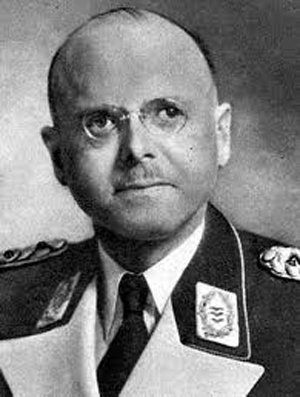
The fear was not unfounded. The German dictator, Adolf Hitler, had ordered the German commander of the city, General Dietrich von Choltitz, to leave the capital a sea of ruins. The order was not unprecedented. The Germans had systematically obliterated other cities in Russia and in Europe. At that moment, at the other end of Europe, German forces were obliterating the Polish capital of Warsaw of its resistants, block by block, building by building.
It was 8.45 pm when Captain Dronne’s troops entered Paris through the undefended Porte d’Italie, one of the ancient gateways of the nearly 2,000-year-old city. Seeing the unfamiliar tanks and the strangely garbed men, the locals ran and hid. Then they saw the French tricolor on the sides of the vehicles and erupted into wild celebration. Pushing past the jubilant crowds, the detachment headed towards the city hall, the ornately decorated Hôtel de Ville. The building was, for Dronne, a “symbol of Paris’ freedoms.”
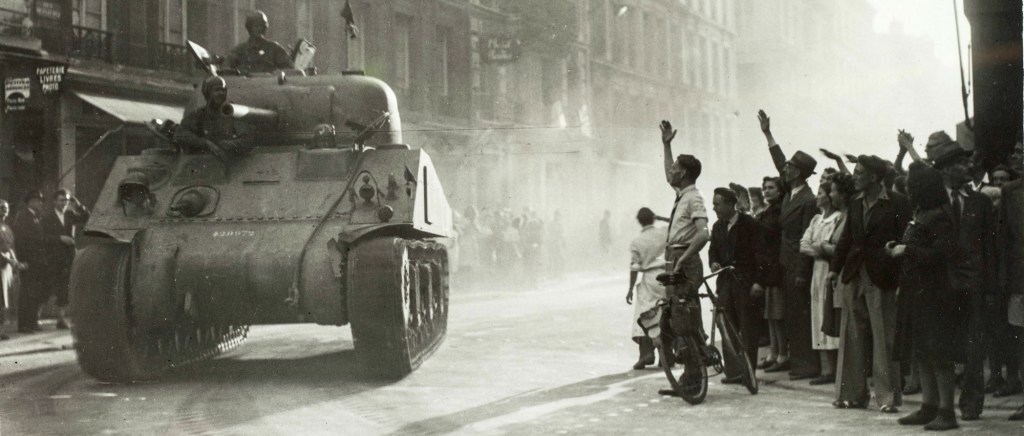
News of the unit’s arrival at the Hôtel de Ville spread like wildfire throughout Paris — triggering a storm of emotions among the people. Church bells began to ring. But the new liberators remained vigil.
All around them were nearly 20,000 German troops, with their leader in Berlin determined to destroy a city which he had likened to the beating heart of France.



 Achilles the Heel